Sustainability
Sustainability
Paracel is committed to managing and developing its operations with the highest international standards of environmental, social and economic sustainability.


Through our 31 Socio-Environmental programs, we are working on the implementation of 16 of the 17 Sustainable Development Goals.We are committed to meeting the 2030 Sustainable Development Goals and use them as a tool to measure our impacts and to generate actions for continuous improvement and innovation.All programs implemented in Paracel have a methodology for measuring final results and impacts, if applicable, for their duration, in order to improve them, make the use of resources more efficient, serve as a basis for innovations and possible replications and/or scaling.


Sustainable Development Goals

Between now and 2030, reduce by at least half the proportion of men, women, boys and girls of all ages living in poverty in all its dimensions in accordance with national definitions.
Paracel alternative indicator:
· Proportion of the population intervened by Paracel, living below the national poverty line, broken down by area of residence.
Programmes developed:

By 2030, reduce by at least half the proportion of men, women and children of all ages living in poverty in all its dimensions in accordance with national definitions.
Paracel alternative indicator:
- Average labor productivity in regular hours worked, of households with small producers and small food producers, in dollars.
Programmes developed:
By 2030, end the epidemics of AIDS, tuberculosis, malaria and neglected tropical diseases and combat hepatitis, water-borne diseases and other communicable diseases.
Paracel Alternative Indicator:
- Registered number of new HIV diagnoses, per 1,000 inhabitants of the department of Concepción.
- Mortality rate due to traffic accidents in the department of Concepción.
- Percentage of women aged 15-19 who know about modern methods of contraception.
Programmes developed:

Between now and 2030, ensure equal access for all men and women to quality technical, vocational and higher education, including university education.
Paracel alternative indicator:
- Registered participation rate of young people and adults aged 15 and over in non-formal education programs of the MTESS (SINAFOCAL-SNPP) in Concepción.
- Proportion of young people and adults, aged 15 and over, who used a computer or internet in the last 3 months.
Programmes developed:

Eliminate all forms of violence against all women and girls in the public and private spheres, including trafficking and sexual and other types of exploitation.
Paracel alternative indicator:
- Number of women working in Paracel/contractors/community, who have experienced violence (physical, sexual or psychological).
- Proportion of women in management positions (Directors/Managers) at Paracel/Contractors.
Programmes developed:
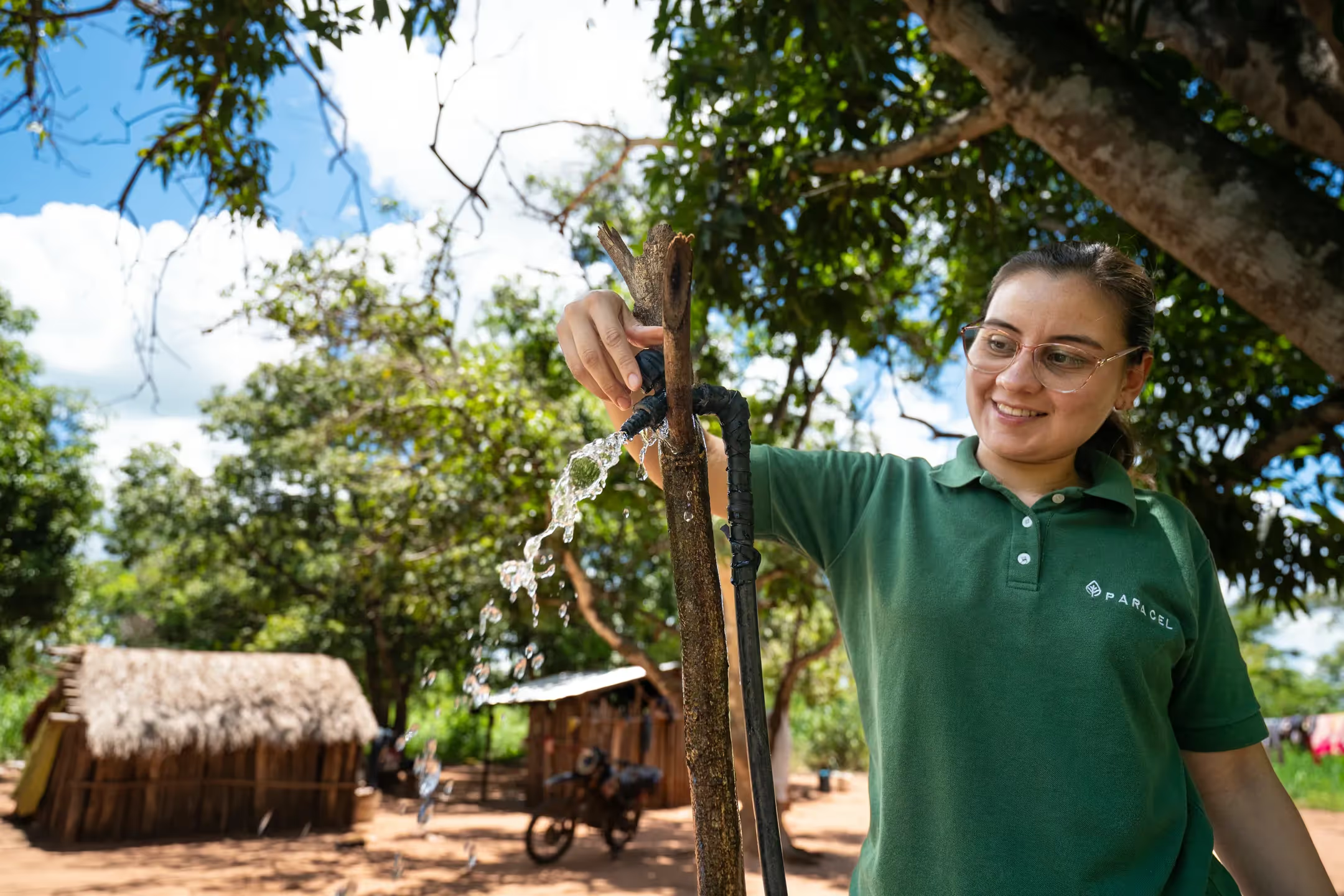
Between now and 2030, achieve universal and equitable access to safe drinking water at an affordable price for all.
Paracel Alternative Indicator:
- Percentage of the population in the directly affected area/area of direct influence that accesses network water with support from Paracel, with the improvement of water access and distribution systems.
Programmes developed:


Between now and 2030, ensure universal access to affordable, reliable and modern energy services.
Global Indicator:
- Proportion of the population with access to electricity.
Paracel Alternative Indicator:
- Installed renewable energy source infrastructures.
Programmes developed:
Promote development-oriented policies that support productive activities, the creation of decent jobs, entrepreneurship, creativity and innovation, and promote the formalization and growth of micro and small and medium-sized enterprises, including through access to financial services.
Paracel alternative indicator:
- Proportion of the population aged 18 and over, employed in formal employment before and after Paracel.
- Average wage gap between men and women at Paracel/Contracting Companies.
Programmes developed:

Between now and 2030, empower and promote the social, economic and political inclusion of all people, regardless of their age, sex, disability, race, ethnicity, origin, religion or economic situation or other condition.
Paracel alternative indicator:
- Proportion of the Paracel ADA/AID population living in relative poverty, representing 50% of the median income, broken down by area of residence.
Programmes developed:

Strengthen efforts to protect and safeguard the world's cultural and natural heritage.
Paracel alternative indicator:
- Private expenditure executed to protect and safeguard the Cultural Heritage of Concepción.
Programmes developed:
Between now and 2030, significantly reduce waste generation through prevention, reduction, recycling and reuse activities.
Encourage companies, especially large companies and transnational corporations, to adopt sustainable practices and to incorporate sustainability information into their reporting cycle.
Paracel Alternative Indicator:
- Amount of waste recycled in a production unit in a given period of time divided by the total amount of waste produced by that same productive unit in that period.
- No. of Sustainability Reports published
Programmes developed:

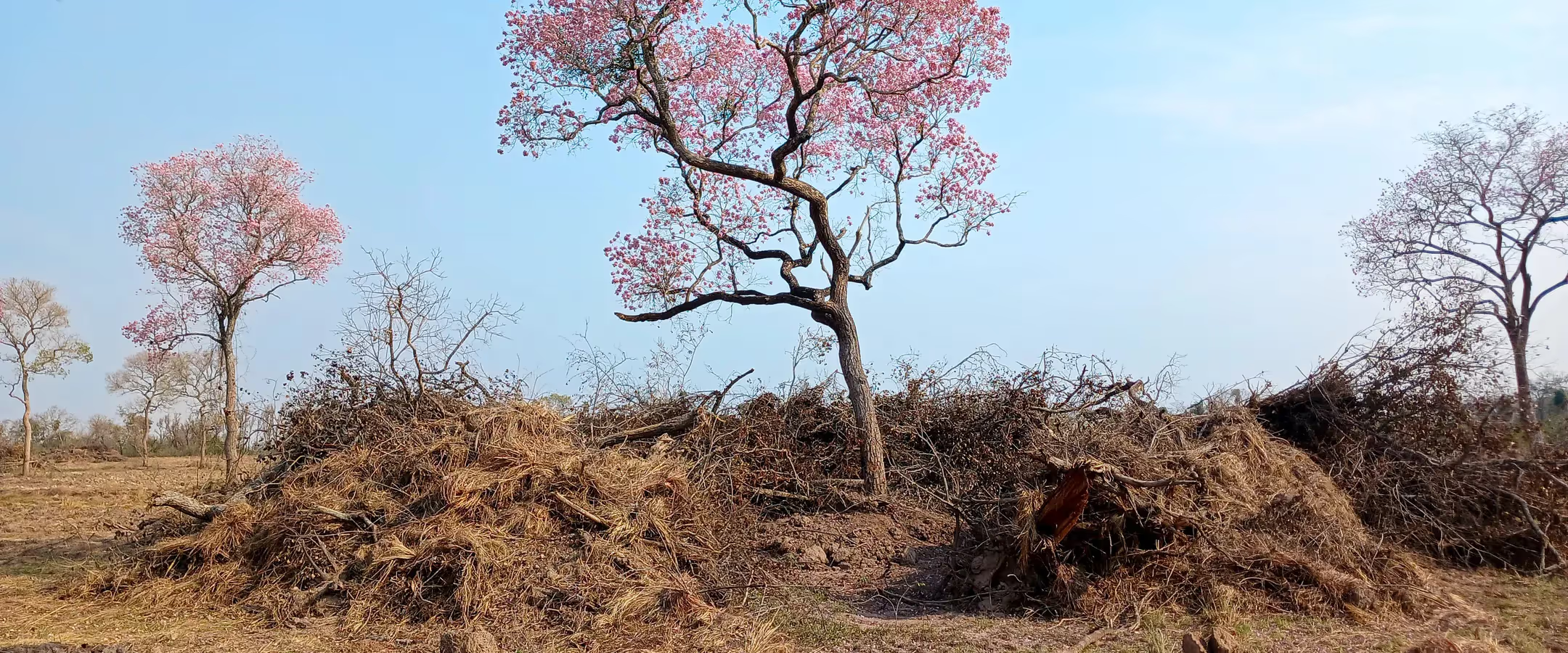
By 2030, ensure the conservation, restoration and sustainable use of terrestrial and inland freshwater ecosystems and their services, in particular forests, wetlands, mountains and arid areas, in line with obligations under international agreements.
Paracel Alternative Indicator:
- Native forest area on Paracel properties.
- Progress in sustainable forest management at Paracel.
- Total Number of Species in Threat Categories:
Programmes developed:
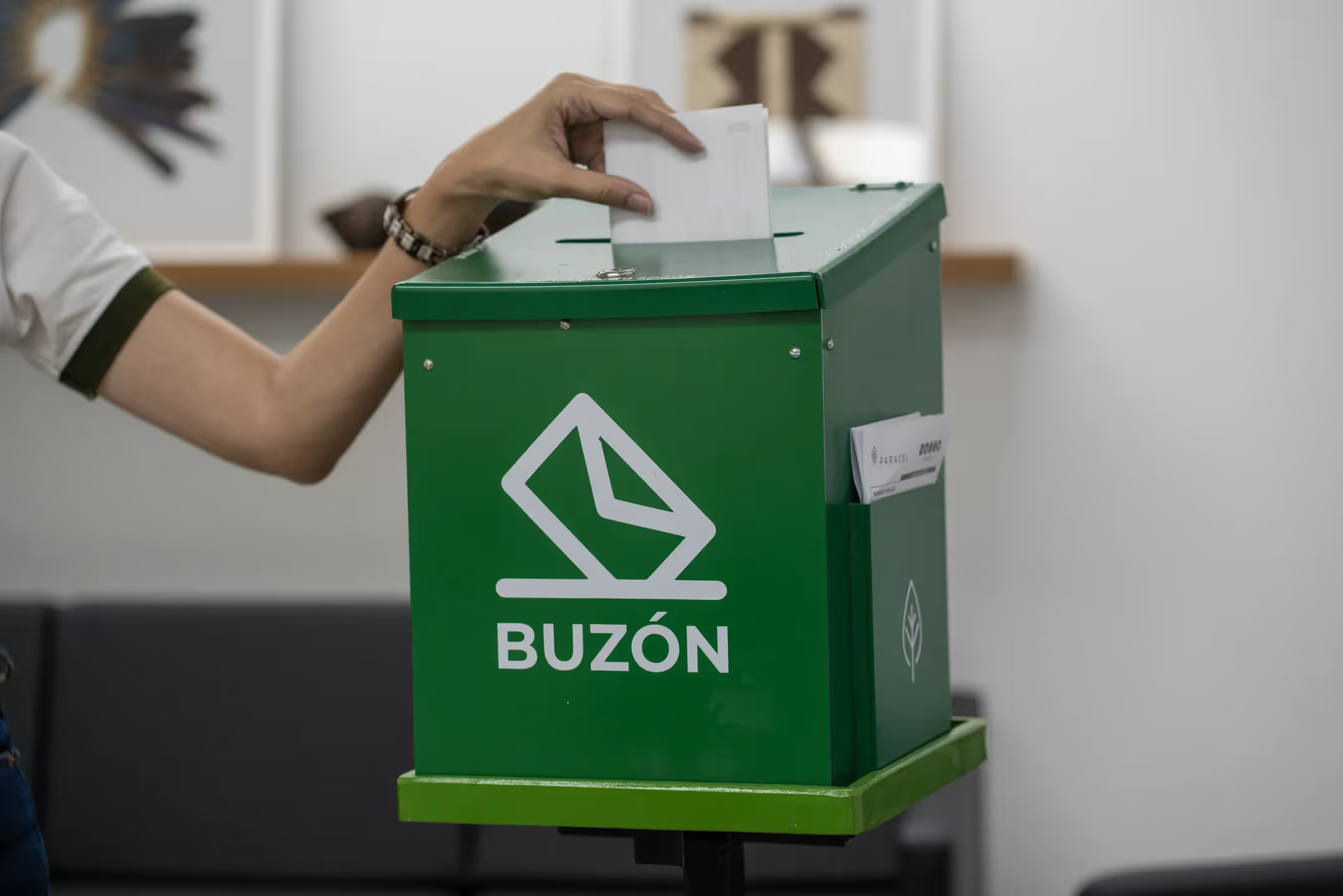
To significantly reduce all forms of violence and corresponding mortality rates around the world
By 2030, provide legal identity for all, including birth registration.
Alternative indicators:
- Number of cases of complaints of sexual violence.
- Number of identity and civil registration procedures in indigenous communities.
Programmes developed:
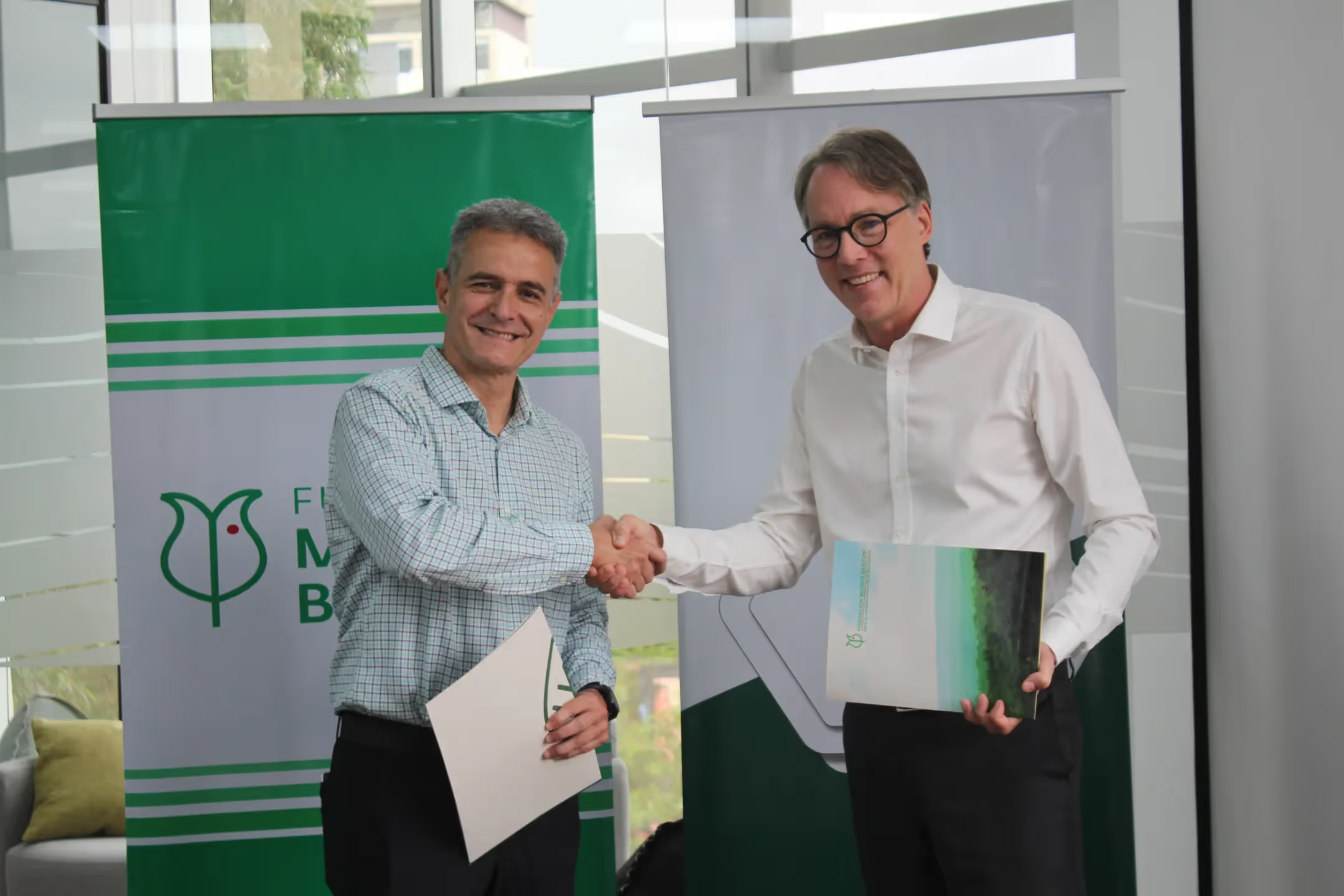
Encourage and promote the establishment of effective alliances in the public, public-private and civil society spheres, taking advantage of the experience and resource-raising strategies of alliances.
Paracel Alternative Indicator:
- Total amount of investment (USD) of Paracel and allied organizations in the implementation of social programs.
Programmes developed:

Download our SDG 2024 Report
Explore in detail our measurement methodology, the results achieved and the strategies that allow us to optimize resources, promote innovation and expand our impact.
Download
Positive relationships
At Paracel, we foster positive, long-term relationships with our various stakeholders, with a special focus on those in highly vulnerable situations, such as the indigenous communities of Paraguay.

Impact on regional employment
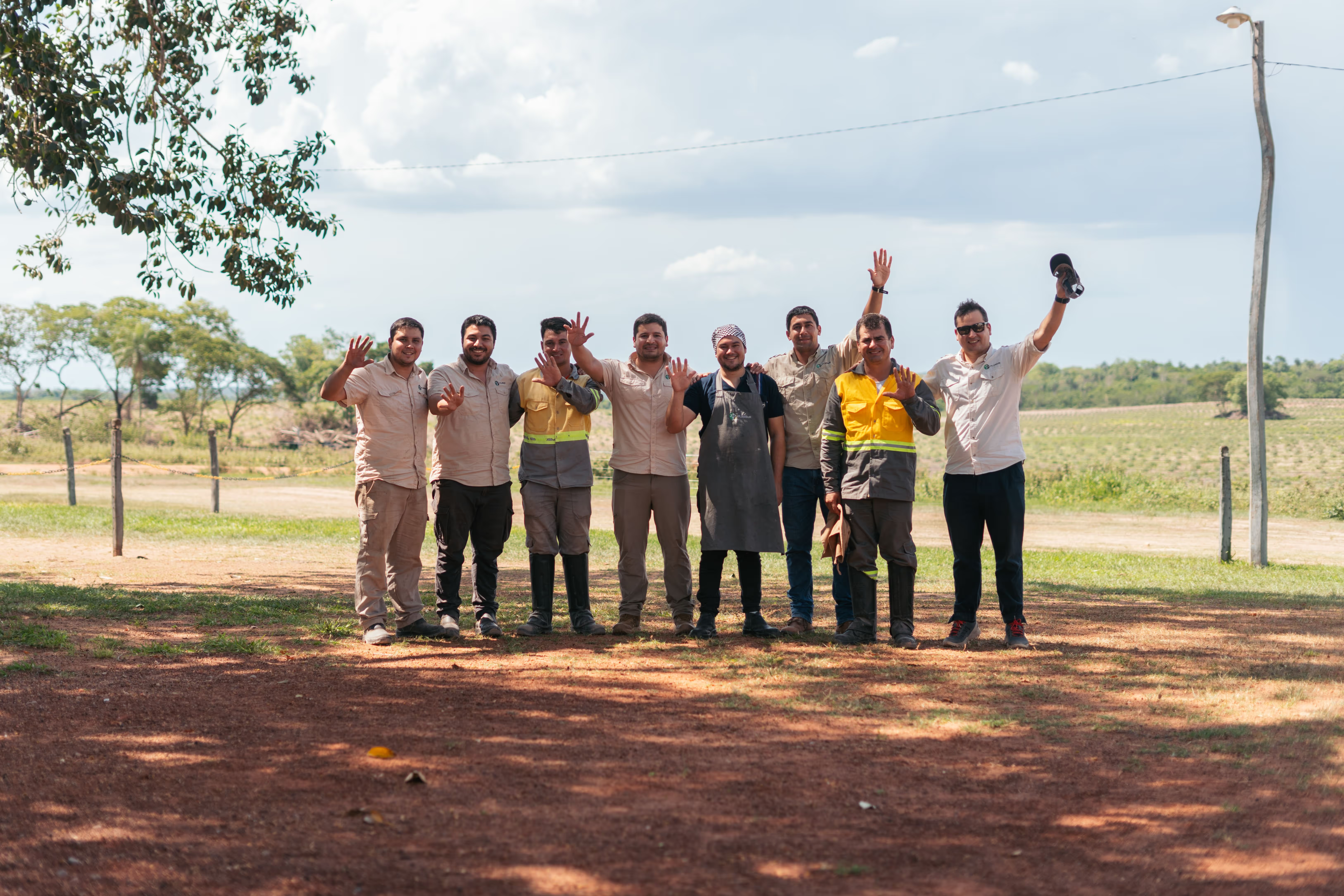
For our company, it is vitally important to have a positive effect on the standard of living of the inhabitants of the region. It is expected that, in addition to creating 4,000 direct jobs, another 36,000 indirect jobs will be created. In this way, Paracel could be a source of work for 40,000 people in the region.


Net Biodiversity Gain Strategy
Paracel’s Net Biodiversity Gain Strategy aims to improve the state of biodiversity within its area of influence, compared to what would have occurred in this landscape without the presence of the company.
Para lograr la Ganancia Neta en Biodiversidad, Paracel ha establecido aproximadamente 82.000 hectáreas de conservación, en un paisaje que se presenta en mosaico con la producción forestal.


FAQs
Environmental sustainability
Yes. The company develops wildlife monitoring programs to identify the presence and development of species in its areas of influence. This information allows for the implementation of conservation measures and the evaluation of the effectiveness of biodiversity protection and restoration actions. Currently, more than 1,200 species of fauna and flora have been recorded on its properties.
Paracel implements biodiversity impact management programs, which include guidelines for protecting native forests, riparian zones, and areas of importance for wildlife, as well as for designing biological corridors. Additionally, it conducts periodic flora and fauna monitoring to identify species present and develop appropriate conservation measures.
The company has a Net Biodiversity Gain Strategy, which seeks to improve the state of biodiversity in its area of influence compared to what would have occurred in this landscape without the company's presence.
Yes. Paracel conducts periodic water quality monitoring at various points within its areas of influence. These analyses allow for the evaluation of physical, chemical, and biological indicators to ensure that forestry and industrial activities comply with current legislation and applicable international standards.
Eucalyptus plantations, like any forestry crop, require water to grow. However, consumption depends on factors such as climate, soil, and management practices. Paracel uses a program called MATES (Technical, Economic, and Social Environmental Micro-planning) to select the most suitable areas for planting, while respecting protected zones for watercourses, springs, wetlands, nearby communities, and the company's technical requirements.
In addition, we have the Watershed Monitoring and Modeling Program (PROMAB), which allows us to evaluate the impact of forest management on water resources by measuring the water balance at the watershed scale throughout the production cycle and over the long term. This monitoring enables the development of forest management alternatives with a lower impact on water resources.
Yes. Paracel will not affect the legal forest area, which corresponds to 25% of the forest cover that existed in the base year (1986) on each forest property.
Native forests and riparian forests (which protect watercourses) that represent legal reserves on all Paracel forest properties will be fully preserved.
Paracel provides mechanisms for constant monitoring using high-resolution satellite imagery and drone flyovers to verify the status of forest cover and the progress of regenerated, recovered, or restored areas. Procedures are also in place to monitor and control illegal activities that could affect the quality and quantity of forest cover.
Yes. Paracel has all the permits required by the Ministry of the Environment and Sustainable Development (MADES). You can access this information at the following link: https://paracel.com.py/documentos/
Paracel will use the best available technologies and environmental practices to treat air emissions that could generate odors. Capture and absorption devices will be adopted to prevent the dispersion of pollutants into the atmosphere, which will be purified before final emission, along with the use of high-efficiency electrostatic precipitators in the boilers and a real-time gas monitoring and control system.
Paracel will manage solid waste from all operational sites, including industrial, forestry, and administrative offices, following an Integrated Waste Management Program. Its primary focus is on source minimization, as well as handling from generation, characterization, segregation, temporary storage, collection, transport, treatment, and final disposal.
Paracel provides for various effluent management mechanisms during both the construction and operational phases of the mill. As preventive measures to reduce the volume of wastewater or effluent generated, we will implement actions for water recirculation and reuse across all our processes.
During the operational phase, all effluent discharged into the Paraguay River will comply with the limits established in SEAM Resolution No. 222/2002, "Establishing water quality standards within the national territory."
The mill's effluent treatment system consists of three basic stages: primary, secondary, and tertiary treatment.
Effluent quality parameters will be monitored through regular sampling at the treatment plant's inlet and outlet during the operational phase, using laboratory analysis. Additionally, samples will be sent to external laboratories for verification, as required by the regulatory authority.
Effluent sampling for analysis will be conducted in real-time (online), as grab samples (instant collection), or as 24-hour composite samples collected by automatic samplers. These will be taken at the Effluent Treatment Plant's inlet and outlet. If parameters exceed established limits, the effluent will be diverted to an emergency lagoon at the ETP.
Yes. As forest plantations grow, they capture carbon from the atmosphere. This process has been registered under the VM0047 methodology of Verra's VCS standard, one of the most widely used frameworks globally for certifying forest carbon removals.
Eucalyptus forest plantations will be managed by adopting soil conservation criteria, which include:
- Maintaining soil fertility and organic matter content: fertilization recommendations for each soil type are based on physical-chemical analyses to ensure that extracted nutrients are returned to the soil in optimal amounts.
- Erosion control: practices are implemented to prevent soil loss due to water or wind runoff.
- Pollution prevention: practices such as oil and fuel management are adopted to prevent water and soil contamination.
In addition, legal requirements and those mandated by FSC® and IFC standards are included as principles of sustainable production.
Paracel only uses agrochemicals that are registered and currently approved by the National Service for Plant and Seed Quality and Health (SENAVE) and that align with the Forest Stewardship Council® Pesticide Policy.
Paracel has an Integrated Pest and Disease Management (IPDM) plan that prioritizes silvicultural and biological controls before applying agrochemicals. Furthermore, the use of drones in the process helps minimize soil impact. Each application may only be carried out if an Environmental and Social Risk Assessment (ESRA) for each active ingredient is in place, following recommended technical standards to prevent drift.
No. Paracel will implement the necessary mechanisms to ensure there are no environmental disturbances regarding noise by monitoring noise levels at 6 points previously established in the baseline. The values will be compared against accepted limits or levels for industrial activities. In addition to monitoring, preventive measures will be established, such as the use of insulation systems on equipment that could generate noise and protective measures for employees.
Social sustainability
Yes. Paracel has dialogue mechanisms and support channels that allow its various stakeholders to make inquiries, offer suggestions, or express concerns regarding the company's activities and those of its contractors, either openly or anonymously. The process is managed by an external firm to ensure greater transparency.
Find out more about our channels for complaints, inquiries, and suggestions at: https://www.paracel.com.py/canal-de-denuncias
Paracel shares information about the implementation of its programs and the results achieved through its official communication channels, promoting transparency and access to information.
For more information on this, the following documents published to date are available:
Sustainability Reports: Documents
SDG Reports: Documents
The company's Social Sustainability strategy focuses on promoting sustainable development in its area of influence through 14 social programs. These prioritize access to basic services (water, electricity, and roads) and public health, as well as food security and agricultural income.
Paracel develops programs and initiatives in 41 rural, urban, and indigenous communities located within its area of influence. The scope of these actions expands progressively as the activities outlined in the social programs and partnerships with local institutions advance, with the goal of contributing to the long-term development of the region.
Paracel's social interventions are based on regional social studies, free, prior, and informed consultation processes, monitoring of expectations and perceptions, and ongoing dialogue with communities in the company's area of influence, local organizations, and public institutions. This interactive approach with various stakeholders allows us to identify priorities and develop initiatives aligned with the real needs of each territory.
Yes. Paracel has developed a Program for Relationship with Communities and Social Investment, which includes various actions to strengthen the social infrastructure of Concepción, in order to promote local development and promote the close link between communities and companies, in addition to improving production and innovation capacity in order to add value to income-generating activities, especially for indigenous families.
Yes, Paracel invested a lot of time, effort and resources in environmental and social impact assessments. The potential environmental and social impacts of the project have been thoroughly investigated in an Environmental and Social Impact Assessment (EiAP). These studies were carried out by third parties and are also part of the legal authorization process. For more information, go to: https://paracel.com.py/documentos/
Yes, Paracel works closely with State institutions, Academia and other civil society organizations, in order to implement their programs, plans and policies. It currently has more than 20 signed agreements.
Yes. Social responsibility has been part of the organization's strategy since its inception. Applying the principles of Corporate Social Responsibility transversally to all links of the company will allow us to obtain high organizational performance that will directly translate into business profitability. All companies generate impacts in one way or another, so we must be duly diligent and analyze the magnitude of the impacts and whether they are positive or negative, both for the company and for its different interest groups. Paracel is an industry that will use modern technologies and techniques whose socio-environmental impacts are minimal. We will develop projects that contribute to solving the country's economic, social and environmental problems. Measuring our performance in terms of Corporate Social Responsibility is a commitment made by Paracel, and for this purpose we will use the most advanced standards in the world, such as ISO 26,000, the Sustainable Development Goals, IFC, FSC® Certification and Certification B, among others.
Yes. Paracel bases its relationship with indigenous communities on the framework of Decree 1039/18 “Protocol for the Process of Consultation and Free, Prior and Informed Consent with Indigenous Peoples who live in Paraguay”, so that the process of relating to indigenous communities is respectful of their rights, their dignity, their aspirations, their culture and means of livelihood. Paracel has worked on the development of three key documents that guide their actions in the processes of linking with indigenous peoples: - Program of Relationship with Indigenous Communities.- Policy for Linking with Indigenous Peoples .- Plan for Indigenous Peoples. At this point, it is important to highlight that Paracel not only focuses on indigenous communities but on all those that are in its area of influence.
Paracel will contribute significantly to the economic development of the department of Concepción, through the development of a new export sector at the national level, and significant investments in plantations, infrastructure, equipment and training, making it possible to attract long-term foreign investment, contributing to the development of small and medium-sized domestic and other foreign companies, encouraging the creation of new jobs.